Family Tree: A Designer’s Review for Real Embroidery Projects
As an embroidery designer who has spent years digitizing files and testing them on everything from flimsy rayon to heavy denim, I approach every new Family Tree design with a critical eye. We are not just looking at pretty pixels on a screen; we are evaluating how threads will interact with fabric, how tension will hold up over time, and whether the final finished product will meet the high standards of a paying customer. When I first loaded this Family Tree Svg and its accompanying graphics into my workflow, my immediate goal was to determine if it could transition seamlessly from a digital asset to a tangible, high-quality handmade product.
First Impressions and Visual Personality
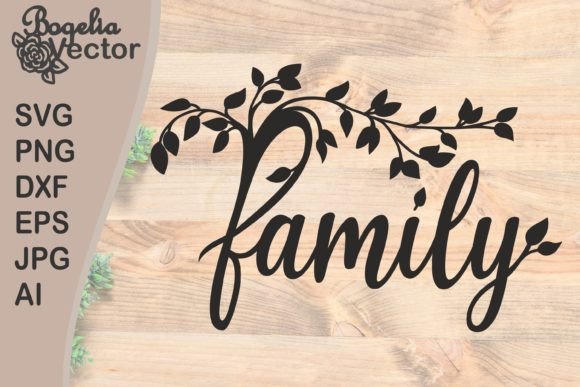
The initial mood of this design is warm, grounded, and nostalgic. It avoids the overly complex linework that often plagues generic clipart, opting instead for a balanced layout that suggests stability and connection. For those of us in the Crafts industry, visual clarity is paramount. The shapes within the Family Tree Clipart elements are distinct enough to be recognized even when scaled down, which is crucial for versatility. The theme resonates deeply with current market trends, where buyers are seeking meaningful Home Decor Png styles that tell a story rather than just filling space.
From a design perspective, the flow of the branches and leaves creates natural negative space. This is a significant advantage for embroidery. Dense, solid blocks of color can cause puckering, but the open structure here allows the fabric to breathe. Whether you are creating a Family Sign for a living room wall or a subtle accent on apparel, the visual personality feels professional and intentional, not cluttered.
Real-World Application: The Custom Tote Bag Test
To truly evaluate this machine embroidery design, I decided to apply it to a canvas tote bag, a staple item for many Etsy sellers and small shop product lines. Canvas provides a stable base, but it also reveals any issues with stitch density or registration. I used a medium-weight cut-away stabilizer to ensure the hoop held firm during stitching.
The result was impressive. The design sat flat against the textured fabric. Because the Family Quote Svg elements were integrated with clean lines, the needle did not struggle with excessive jumps or dense clusters. For a tote bag design, durability is key. The stitches locked in well, suggesting that this piece would withstand the wear and tear of daily use. This makes it an excellent candidate for commercial embroidery projects where longevity matters as much as aesthetics.
Versatility Across Product Lines
Beyond totes, this design shows promise across various categories. For sweatshirt embroidery, the scale can be adjusted to sit prominently on the chest or subtly on the sleeve. The organic shapes complement the soft texture of fleece or cotton blends without getting lost. If you are venturing into baby embroidery, such as on onesies or burp cloths, the softer, rounded aspects of the tree motif feel appropriate and gentle. However, always test on scrap fabric first, as baby garments often use thinner, stretchier materials that require careful hooping and lighter tension.
For those selling digital embroidery file packages or design assets, this graphic offers strong mockup potential. It translates well into printable mockup previews because the silhouette is recognizable even in black and white. This helps craft business owners showcase their work effectively online before a single thread is stitched.
Technical Considerations and Stitching Advice
While the design is robust, there are areas where caution is necessary. As an experienced reviewer, I must highlight the importance of checking the stitch density in the leafier sections. If your machine tends to bunch thread in tight corners, you may need to adjust the pull compensation or use a finer needle. When working with dark fabric, ensure your thread colors have sufficient contrast. A muted green on navy might look sophisticated in a photo but disappear in person. High-contrast combinations, like cream on charcoal, often yield the crispest results for this type of botanical imagery.
Be mindful of hoop size limitations. If you are adapting this for an embroidered patch or a cap, you will need to resize the design significantly. At very small scales, fine details can merge. Always inspect the design at 50% and 25% zoom on your software to ensure the smallest leaves remain distinct. If they blur together, consider simplifying the design or removing the tiniest elements for smaller applications like custom apparel cuffs or collar accents.
Fabric and Stabilizer Selection
The success of any embroidery project hinges on the foundation. For stretchy fabrics like jersey tees, a tear-away stabilizer might not provide enough support for the broader fill areas of the tree trunk. I recommend a lightweight cut-away for these instances. For woven fabrics like linen or cotton used in holiday embroidery gifts, a standard tear-away works well, provided the fabric is pre-washed to account for shrinkage. Never skip the test stitch on a scrap piece of the exact same fabric you intend to use for the final product.
Commercial Viability and Brand Trust
For creative entrepreneurs and handmade shop owners, the perceived value of a product is tied to its execution. A clean, well-stitched Family Tree design signals professionalism. It builds customer trust because it looks intentional and high-quality. Sloppy stitching or poorly scaled designs can damage a brand’s reputation quickly. This particular graphic, with its balanced proportions, supports a premium presentation. It fits naturally into boutique branding where customers expect thoughtful, personalized touches.
When using this as a Family Shirt Svg base for heat transfer or direct embroidery, remember that the end user is likely buying it for emotional reasons—celebrating heritage, unity, or memory. The design should honor that sentiment by being flawlessly executed. Ensure that any text included in the Family Cut file version is legible and properly spaced. Tiny lettering is a common failure point in embroidery; if the font is too small, it will turn into a blob of thread.
Final Verdict for Makers and Designers
In conclusion, this Graphics package offers a solid foundation for a variety of personalized gift ideas and commercial products. It performs well on stable fabrics and scales reasonably for most home decor and apparel needs. However, success depends on your technical setup. Always verify the specific file formats and license terms provided with the download. Confirm whether the license allows for unlimited physical sales or if there are restrictions on digital redistribution.
Before listing your small shop product, do a thorough quality check. Look at the back of the embroidery to ensure no excessive jumping threads. Check the front for any puckering. If you address these technical details, this Family Tree design can become a reliable staple in your portfolio, appealing to buyers who value both aesthetic beauty and craftsmanship. It is a versatile tool for any maker ready to invest the time to stitch it right.