Reviewing Follow Your Dream Svg for Embroidery
As a designer who spends half my life digitizing and the other half stitching, I have learned that not every pretty graphic translates well to thread. When I first opened Follow Your Dream Svg, my initial reaction was one of cautious optimism. The hand-lettered aesthetic is trendy, but in the world of machine embroidery, flowery scripts can quickly become a tangled mess of broken needles and frustrated clients if they are not handled with care. This review breaks down how this specific design performs when moved from the digital screen to actual fabric, focusing on real-world application for crafters and small business owners.
The Visual Personality and First Impressions
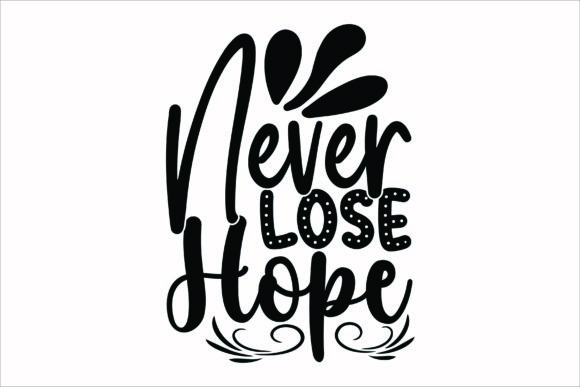
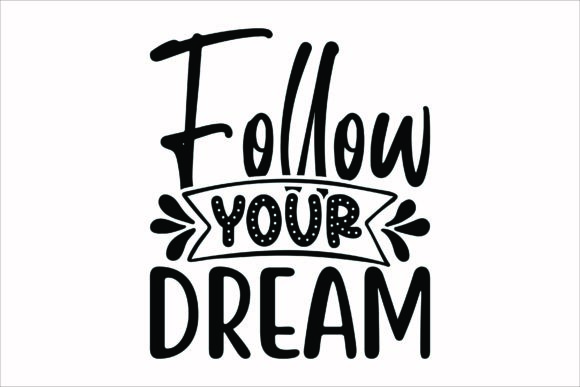
The phrase "Follow Your Dream" paired with "Never Lose Hope" carries a gentle, uplifting mood. It fits squarely into the inspirational and faith-based niches, which remain evergreen categories for Crafts and handmade goods. The typography appears to be a modern hand-lettered style, likely created by Stephanie at 123SVG. Visually, it feels approachable and warm. For an embroidery project, this suggests a design that should feel soft rather than rigid. However, the complexity of hand-lettered fonts often means varying stroke widths. In a digital Graphics file, these nuances look elegant. In embroidery, they require precise digitizing to maintain legibility without excessive stitch density.
Real-World Application: The Tote Bag Test
To evaluate this properly, I imagined a common scenario: creating a custom embroidered tote bag for a local boutique. Tote bags are usually made of canvas or heavy cotton, which provides a stable base for stitching. Using Follow Your Dream Svg here makes sense because the message aligns with the eco-conscious, mindful lifestyle often associated with reusable bags.
If you are using this as a cut file for vinyl, the process is straightforward. But for those converting this into a machine embroidery design, the challenge lies in the scale. On a standard tote, you have room to let the lettering breathe. I would recommend placing this centrally, perhaps above a small symbolic icon if the license allows for modification, or letting the text stand alone as a bold statement. The key is ensuring the "dream" and "hope" elements do not get lost in the texture of the canvas.
Performance on Apparel and Textured Fabrics
Moving from bags to apparel, the stakes get higher. Consider a sweatshirt embroidery project. Fleece and French terry are thick and plush. If the stitch density of your converted design is too high, the fabric will pucker, and the text will sink into the pile, becoming unreadable. Conversely, if the density is too low, the backing stabilizer might show through.
For custom apparel like t-shirts, which are often thin and stretchy, this design requires careful handling. A running stitch outline might be necessary to secure the fabric before filling in any larger areas, though this particular design appears to be primarily text-based. If the letters are thin, a satin stitch could work beautifully, giving a raised, premium look. However, satin stitches longer than 7mm tend to snag. You must check if the original SVG’s letter connections are short enough to support satin stitching or if they need to be broken up into smaller segments.
Challenges with Small Details and Curves
One critical area to watch is the curvature of the letters. Hand-lettered styles often feature swoops and tails. In embroidery, tight curves can cause thread bunching. If you are planning to use this on a embroidered patch or a cap, the curved surface adds another layer of difficulty. Caps have limited hoop space and a stiff structure. Placing a long phrase like "Follow Your Dream Never Lose Hope" on a cap might require arching the text, which can distort the letters if not digitized correctly. I advise testing this on a scrap piece of similar material first. Check if the tiny serifs or terminal points of the letters hold up or if they turn into vague blobs of thread.
Color Contrast and Thread Selection
The visual appeal of this design relies heavily on contrast. Since it is a text-heavy piece, readability is paramount. On dark fabrics, using light thread colors like cream, soft gold, or pastel blue can make the message pop. On light fabrics, deep navy, charcoal, or forest green offers a sophisticated look. Avoid using threads that blend too closely with the fabric color, as the subtle variations in hand-lettered strokes will disappear. For a personalized gift, consider matching the thread color to the recipient’s favorite hue, but always prioritize legibility over exact color matching if the two conflict.
Commercial Use and Brand Consistency
For Etsy seller accounts and small shop product lines, consistency is key. This design fits well within a brand that values positivity, faith, and mindfulness. It works for holiday embroidery gifts, such as Christmas stockings or Easter towels, where hopeful messages are traditional. However, before listing finished items, you must verify the licensing terms provided by 123SVG. Some SVG licenses allow for physical end products but restrict the sale of the digital file itself. Ensure you are compliant to protect your craft business from intellectual property issues.
Practical Designer Notes for Success
- Test on Scrap Fabric: Always run a test stitch-out on the same type of fabric you intend to use for the final finished product. This reveals issues with tension and density.
- Check Stabilizer Compatibility: Use a cut-away stabilizer for stretchy fabrics like t-shirts and a tear-away for stable woven fabrics like tote bags or aprons.
- Inspect Small Details: Zoom in on the digital file. Are there any isolated pixels or tiny fragments that might cause the machine to jump or trim excessively? Clean up the path if necessary.
- Mockup Verification: Create printable mockup images to see how the design looks in black and white. If it loses definition in grayscale, it may lack the necessary contrast for embroidery.
- Hoop Size Confirmation: Ensure the design fits within your machine’s maximum hoop size. If it is too large, you may need to split the design or reduce the scale, which could impact legibility.
Final Verdict for Makers
Follow Your Dream Svg is a versatile asset for those willing to put in the preparatory work. It is not a plug-and-play solution for every fabric type, but with proper digitizing adjustments and thoughtful material selection, it can elevate a simple item into a meaningful handmade product. Whether you are creating baby embroidery for a nursery or commercial embroidery for a boutique line, this design offers a solid foundation. Just remember that the beauty of hand-lettering in thread comes from precision. Take the time to adjust your applique design settings or fill stitch parameters, and your customers will appreciate the professional finish.
Ultimately, this design serves as a reminder that hope and creativity go hand in hand. By treating the file with the respect it deserves—checking limits, testing materials, and understanding the mechanics of the stitch—you transform a simple SVG into a lasting piece of art. For creative entrepreneurs looking to expand their design assets, this is a worthy addition to the library, provided you approach it with a designer’s eye for detail.