Reviewing My Kitchen My Rules Craft Design for Real Embroidery
As a designer who spends more time staring at stitch simulations than I care to admit, I approach every new machine embroidery design with a mix of curiosity and skepticism. We have all been there: you download a cute graphic, load it onto your machine, and realize too late that the density is off or the details vanish on textured fabric. Today, I am taking a close look at My Kitchen My Rules Craft Design. This piece falls under the broad categories of Crafts and Graphics, but my focus is strictly on how it translates from a digital file to a tangible, stitched reality.
First Impressions and Visual Personality
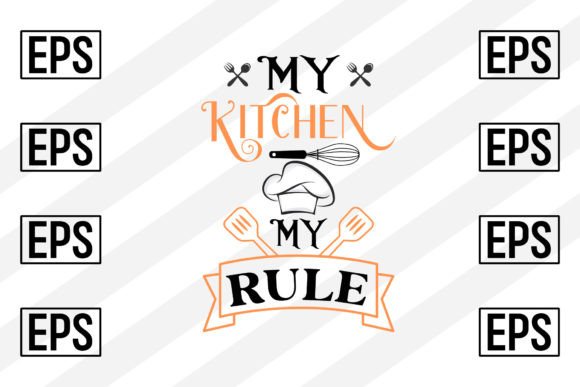
The phrase "My Kitchen My Rules" carries an immediate sense of playful authority. It is bold, slightly rebellious, and undeniably fun. When I first opened the file to inspect the layout, I was looking for balance. Typography-based designs can be tricky; if the letters are too thin, they disappear into the fabric pile. If they are too thick, the garment becomes stiff and board-like.
This design strikes a confident tone. The visual personality suggests it belongs in a space where personality is welcomed—specifically, the heart of the home. It does not try to be overly delicate or intricate. Instead, it relies on strong shapes and clear messaging. For an embroidery project, this clarity is vital. A cluttered design gets lost in translation when converted to thread, but a statement piece like this retains its impact even from across the room.
Real-World Application: The Apron Test
To truly evaluate My Kitchen My Rules Craft Design, I imagined a specific real-life scenario. Picture a custom order for a local boutique selling handmade housewarming gifts. The client wants a high-quality cotton canvas apron. This is the perfect canvas for this type of digital embroidery file.
On a flat, stable surface like an apron bib, the design has room to breathe. I would likely center it just below the neck strap or prominently on the chest pocket area. Because the message is humorous and assertive, it appeals to the home cook who takes their culinary duties seriously but does not take themselves too seriously. As an Etsy seller, you know that products with personality sell better than generic items. This design offers that instant character. It transforms a basic utility item into a personalized gift that feels thoughtful and curated.
Versatility Across Product Lines
Beyond aprons, where else does this fit? I see strong potential in tote bag design applications. A heavy-duty canvas tote with this quote stitched in contrasting thread colors would be a hit at craft fairs. It also works well for sweatshirt embroidery, particularly on crewnecks worn by foodies or cooking class instructors.
However, context matters. While it could work on a tea towel, you must consider the fabric texture. Terry cloth can swallow small details. If you choose to use it on towels, ensure the stitch path is optimized for looped fabrics. For smoother surfaces like pillow covers or wall hangings, the design will appear crisp and professional. It is less suitable for baby embroidery unless you are going for a humorous "future chef" angle, but even then, the tone might be too mature for a nursery setting.
Technical Considerations for Stitching
Now, let us talk about the mechanics. Since the product description notes that you receive the design in specific formats for your campaign, I must advise checking the technical specs before hitting "start." Does the file include multiple hoop size variations? A design that looks great in a 5x7 hoop might need resizing for a 4x4 cap frame.
Stitch density is another critical factor. Bold lettering often requires fill stitch areas. If the density is too high, you risk puckering lightweight fabrics. If it is too low, the background fabric shows through, ruining the legibility. I recommend running a test stitch on scrap fabric similar to your final material. Check if the design uses satin stitch for outlines or borders, as this adds a nice premium finish but requires precise tension settings.
When working with dark fabrics, thread color contrast becomes your best friend. A white or bright yellow thread on navy blue creates high visibility. On light fabrics, consider using a darker thread or adding a subtle backing if the design allows. Always use the appropriate stabilizer. For stretchy fabrics like t-shirts, a cut-away stabilizer is non-negotiable to prevent distortion after washing.
Navigating Potential Pitfalls
While My Kitchen My Rules Craft Design is versatile, it is not without its challenges. Be cautious when applying it to curved surfaces like caps. The rigid nature of bold text can cause bridging or pulling if the hoop is not secured tightly. Additionally, avoid using this on very thin or sheer fabrics unless you are employing a specialized technique like applique or using a heavy-duty stabilizer.
Another consideration is washability. Kitchen items get dirty. They get washed. Frequently. Ensure that your thread choice is colorfast and durable. Polyester thread is generally recommended for items that will undergo regular laundering. If the design has tiny decorative elements, verify that they are secure. Loose threads or poorly trimmed jump stitches can unravel over time, diminishing the perceived value of your handmade product.
Commercial Value and Brand Consistency
For small shop product creators, consistency is key. This design fits well within a broader line of kitchen-themed design assets. If you already sell oven mitts or pot holders, adding this quote expands your catalog without requiring a complete rebrand. It signals to your customers that you understand their lifestyle.
From a buyer engagement perspective, humor drives shares. People love posting photos of funny kitchen decor on social media. By offering a custom apparel item or home good with this design, you are giving your customers content they want to share. This organic marketing boosts your visibility as a craft business owner.
Before listing this as a commercial embroidery item, double-check the licensing terms provided with the file. The description mentions using it for yourself, friends, family, or anyone for the campaign, but always confirm if extended commercial licenses are needed for mass production. Protecting your business legally is just as important as protecting your stitch quality.
Final Verdict
My Kitchen My Rules Craft Design is a solid addition to any designer’s library. It is not overly complex, which makes it accessible for beginners, yet it has enough presence to satisfy experienced makers. It performs best on stable, medium-to-heavy weight fabrics where the text can stand out clearly.
Remember to test your thread colors, respect the fabric texture, and always prioritize proper stabilization. When executed with care, this design elevates simple items into memorable keepsakes. Whether you are creating a holiday embroidery gift for a sister who loves to cook or stocking your online store with best-selling embroidered patch style accents, this design delivers on both charm and practicality. Keep your hoops tight, your needles sharp, and your creativity flowing.