Reviewing the Choose Happy Retro SVG for Embroidery
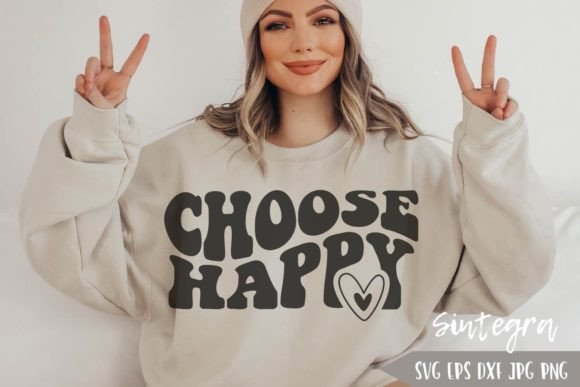
As a designer who spends half my life digitizing and the other half stitching, I have learned that not every graphic translates well to thread. We often browse marketplaces looking for the perfect machine embroidery design, only to find files that look crisp on a screen but turn into a tangled mess under the needle. Recently, I pulled the Choose Happy Retro SVG from my asset library to evaluate its potential for a client’s boutique line. This wasn’t just a casual test; I needed to know if this specific piece of digital art could hold up as a professional embroidery project.
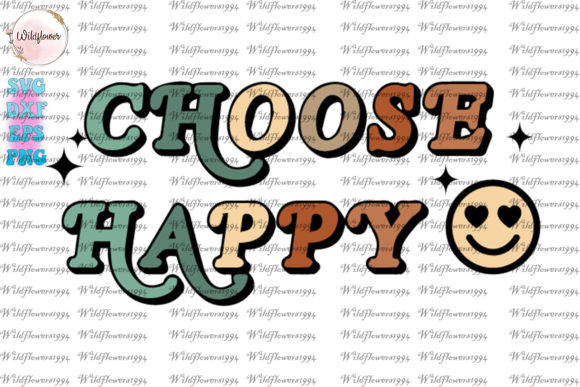
The first impression of the Choose Happy Retro SVG is undeniably cheerful. The typography carries that distinct mid-century modern weight—bold, rounded, and optimistic. For those of us in the Crafts industry, recognizing the difference between a generic font and a stylized graphic is crucial. This design leans heavily into the retro aesthetic, which is currently dominating trends in custom apparel and home decor. However, visual appeal on a monitor does not guarantee stitching success. My initial assessment focused on the balance between the positive space of the letters and the negative space around them. In embroidery, negative space is where your stabilizer works hardest, and crowded designs can lead to fabric puckering.
Real-World Application: The Tote Bag Test
To truly understand the viability of this file, I decided to use it for a practical scenario: a custom embroidered tote bag. Tote bags are a staple for any Etsy seller or small shop product creator because they offer a large, flat canvas. I imported the Choose Happy Retro SVG into my digitizing software to prepare it for a 5x7 hoop. The goal was to create a personalized gift item that would appeal to buyers looking for motivational accessories.
When working with an SVG file or vector-based graphics for embroidery, the conversion process is key. Since the product description mentions receiving EPS and SVG files, I had the flexibility to manipulate the paths before generating stitch data. I opted for a combination of fill stitch for the broader parts of the letters and a tight satin stitch border to define the edges. This approach helps maintain the retro vibe while ensuring the text remains legible after washing. The result was a clean, raised texture that felt premium to the touch. For a handmade product, tactile quality is just as important as visual design.
Versatility Across Product Lines
Beyond tote bags, I evaluated how this design would perform on other common items. For sweatshirt embroidery, the bold nature of the retro font works exceptionally well. Thick fleece fabrics can swallow delicate details, but the substantial weight of the "Choose Happy" lettering stands out clearly against textured materials. It creates a strong focal point on the chest or back, making it ideal for commercial embroidery runs where consistency is vital.
I also considered its use for baby embroidery. While the message is positive, the scale matters. On a onesie or a small bib, the design might need significant resizing. If scaled down too much, the intricate curves of the retro letters could merge, causing readability issues. In such cases, I would recommend simplifying the stitch path or increasing the spacing between characters. For holiday embroidery projects, such as festive aprons or kitchen towels, the design adds a layer of warmth. It fits seamlessly into the category of design assets that evoke comfort and joy, which are high-selling emotions in the handmade market.
Technical Considerations and Pitfalls
While the Choose Happy Retro SVG is versatile, it is not without its challenges. One major concern is stitch density. Retro fonts often have thick strokes. If you do not adjust the density settings in your digitizing software, you risk creating a stiff, cardboard-like patch on soft fabric. This is particularly problematic for stretchy fabric like jersey knits used in t-shirts. Without proper stabilization, the weight of the thread can distort the garment.
Another critical factor is the choice of thread colors. The retro aesthetic often calls for muted pastels or vibrant primaries. However, when stitching on dark fabric, contrast becomes essential. I tested the design on navy blue cotton and found that using a lighter thread color helped the message pop. Conversely, on white canvas, a deep mustard or teal provided the necessary visual weight. Always test your embroidery file on scrap fabric before committing to a final finished product. This step saves time, material, and reputation.
For those interested in using this for embroidered patch creation, the design holds up well. Patches require dense stitching to prevent fraying, and the solid shapes in this SVG lend themselves nicely to that technique. However, ensure your machine can handle the thickness of multiple layers if you are adding a backing material.
Business Value and Brand Consistency
From a business perspective, incorporating the Choose Happy Retro SVG into your lineup can enhance brand consistency. If your shop focuses on positivity, self-care, or retro nostalgia, this design aligns perfectly with that narrative. It serves as more than just a graphic; it is a statement piece that encourages buyer engagement. Customers are drawn to products that make them feel good, and a well-executed motivational quote can increase the perceived value of a simple item like a pillow cover or tea towel.
For digital product sellers, offering this as part of a bundle could be lucrative. However, it is imperative to check the licensing terms. The product description lists EPS and SVG files, which are typically used for cutting machines or print-on-demand services. If you are selling the digital embroidery file itself, you must ensure you have the rights to redistribute the digitized version. If you are selling the physical handmade product, verify that the license allows for commercial use of the finished items. Never assume; always read the fine print to protect your craft business.
Final Designer Notes
Before you load the Choose Happy Retro SVG into your machine, take a moment to review your setup. Check your hoop size to ensure the design fits without hitting the edges. Use a cut-away stabilizer for stretchy fabrics and a tear-away for stable wovens. Inspect the small details of the vector file to ensure there are no stray nodes that could cause erratic stitching. Compare light and dark fabric backgrounds to determine the best thread palette.
In conclusion, the Choose Happy Retro SVG is a strong contender for various Graphics and embroidery applications. It offers a blend of nostalgic charm and modern relevance that appeals to a wide audience. Whether you are creating a printable mockup for your online store or stitching a custom apparel piece for a local client, this design provides a solid foundation. With careful attention to digitizing settings and material choices, it can elevate your embroidery project from amateur to professional. Keep experimenting, keep stitching, and let the happiness shine through your work.